


From the Competition Floor to the Clinic: My Approach to Athlete Care
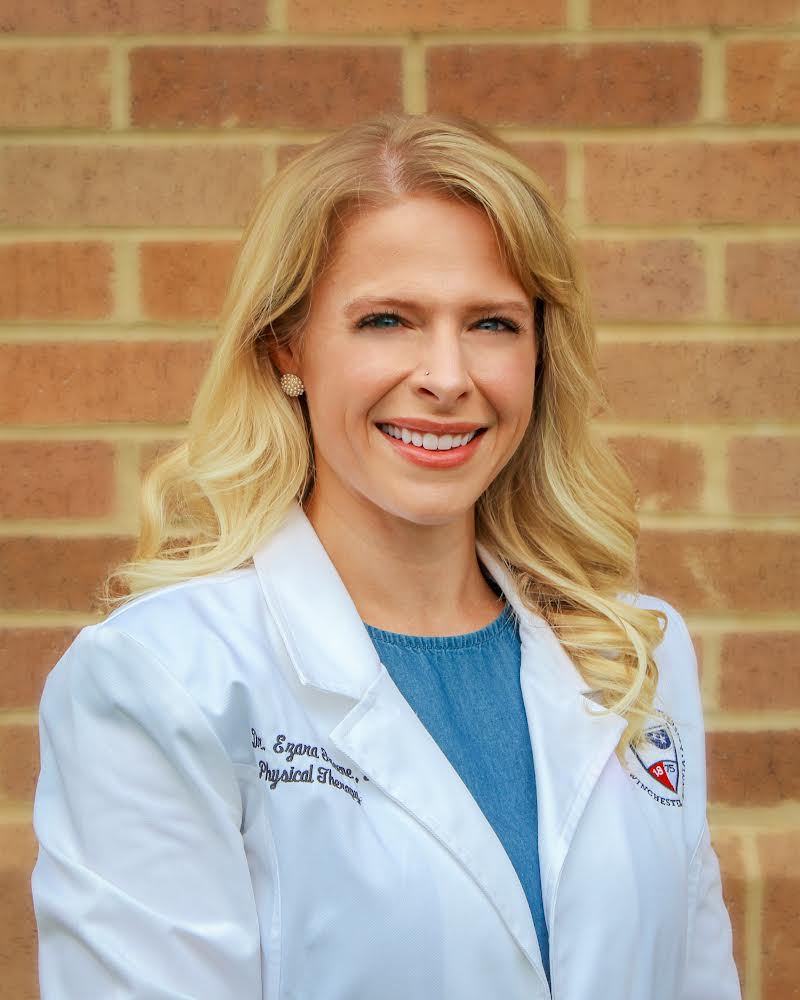
By Dr. Greene

My work in physical therapy includes caring for athletes in the clinic and providing gymnastics medical coverage, including international competition. Those settings are different, but the athlete at the center of the conversation deserves the same careful attention.
At Perfect 10.0 PT, I want families to understand how I approach that responsibility and what it means for their care.
Understand the sport and the person
A gymnast’s schedule, event demands, and competition goals are relevant to an evaluation. So is the athlete’s own description of what hurts, what feels difficult, and what they are worried about.
Sport knowledge helps me ask useful questions. It does not replace an individual examination. Two athletes with similar complaints may need different next steps, and an impressive routine does not tell me everything about the athlete performing it.
Give families clear clinical direction
An injury can create a long list of questions. Can practice continue? What needs to change? When is another medical opinion appropriate? What are we working toward in rehabilitation?
I aim to make the recommendations understandable and connected to the athlete’s needs. Sometimes that means beginning treatment. Sometimes it means further evaluation or a conversation about existing medical restrictions. The goal is an informed decision rather than an answer shaped only by the next meet.
Treat communication as part of care
Athletes should be able to describe symptoms honestly and ask for an explanation. Parents should understand the purpose of follow-ups and the work prescribed between visits.
When appropriate and authorized, communication with coaches and other healthcare providers can help align the plan. Each person has a role, and clarity about those roles matters. Clinical care, skill coaching, and non-medical performance training serve different purposes.
Keep the next step appropriate
My physical therapy work focuses on injury evaluation, rehabilitation, and return-to-sport care. For healthy gymnasts seeking ongoing physical preparation, Ethan Valencia offers separate non-medical performance assessment and training.
Having these services available gives families different ways to address different needs. An athlete with pain needs a clinical starting point; a healthy athlete may be seeking help developing strength or conditioning.
Whether your child is navigating an injury or your family is unsure which service to choose, I want the next step to be clear and appropriate for them.
Visit Perfect 10.0 PT to learn about our services. For scheduling assistance, contact Marjorie at admin@perfect10pt.org.


Comments